
Therapy · Illuminated Thinking
Attachment-focused therapy in Glasgow
The way you learned to love and be loved as a child is still shaping your relationships now. We help you understand your attachment pattern, where it came from, and how to build something more secure, whether the difficulty shows up with a partner, in friendships, at work, or in how you treat yourself.
What attachment difficulties look like
Attachment is the system that tells you whether other people are safe to rely on. It is built in the first years of life from how consistently you were comforted, seen and responded to, and it runs quietly in the background of every close relationship you have as an adult. When early care was unpredictable, cold, intrusive or frightening, the system learns to protect you in ways that made sense then and cause pain now. You may recognise some of these:
- You feel anxious when someone you love is distant, and find yourself checking, chasing or testing them
- You are drawn to people who are unavailable, and lose interest when someone is steady and kind
- You keep people at a distance, value independence above everything, and go quiet or leave when things get close
- You want closeness and fear it at the same time, so relationships feel chaotic or exhausting
- You find it hard to trust, to ask for help, or to believe you will not be let down
- You feel like too much, or not enough, and take rejection as proof of something about you
- Conflict either overwhelms you or shuts you down completely
Psychologists describe these broadly as anxious, avoidant and disorganised patterns, with secure attachment as the aim. Most people are a mix, and the pattern often looks different with a partner than it does with friends or colleagues.
Why it keeps going
Attachment patterns persist because they were once the best available strategy. If reaching out got you comfort only some of the time, it made sense to reach harder. If reaching out got you nothing, or got you hurt, it made sense to stop reaching. The nervous system learned those lessons before you had words for them, and it still applies them automatically, particularly under stress.
The pattern then confirms itself. Chasing pushes people away, which proves they will leave. Withdrawing means nobody gets close enough to show you otherwise. Choosing unavailable partners recreates the familiar. Insight alone rarely shifts this, because the learning is emotional and bodily, not intellectual. That is why attachment work is done inside a relationship, at a pace where new experiences can land.
How we work with attachment
Attachment-focused therapy is not a single technique. It is a way of understanding what you are carrying and then choosing the approach that fits. Depending on your history and what you want to change, your psychologist may draw on:
- Schema Therapy: for the deep patterns formed when early needs went unmet, including abandonment, mistrust and defectiveness schemas, using imagery and limited reparenting to give those parts of you a different experience.
- Cognitive Analytic Therapy: for mapping the reciprocal roles you learned, such as criticising and criticised or abandoning and abandoned, and recognising them as they play out in the room.
- Internal Family Systems: for the protective parts that keep people at a distance or cling on, and the younger parts they are protecting.
- EMDR: where specific memories of neglect, loss or fear are still live in the body and keep firing in present-day relationships.
- Compassion-focused therapy: for the harsh inner voice that so often grows out of insecure attachment.
Whatever the method, the relationship with your psychologist is part of the work. You will notice your pattern show up with them too, and that becomes something you can look at together rather than a rupture to be survived. This is one of the reasons attachment work often suits longer-term therapy.
What to expect
Sessions last 50 minutes and how often you meet is agreed between you and your psychologist. The first few sessions build a shared map of your history and your pattern. After that the work moves between the present, where the pattern is causing trouble, and the past, where it was learned. Most people find attachment work takes longer than a brief course of CBT, often several months, because it is changing something that was built over years. Between sessions you will be asked to notice the pattern as it happens and, when you are ready, to try responding differently.
If the difficulty is mainly with one partner and you would like to attend together, see couples therapy. If your early experiences included neglect, abuse or a frightening home, our trauma therapy page and the developmental trauma resource will also be relevant.
Who you might work with

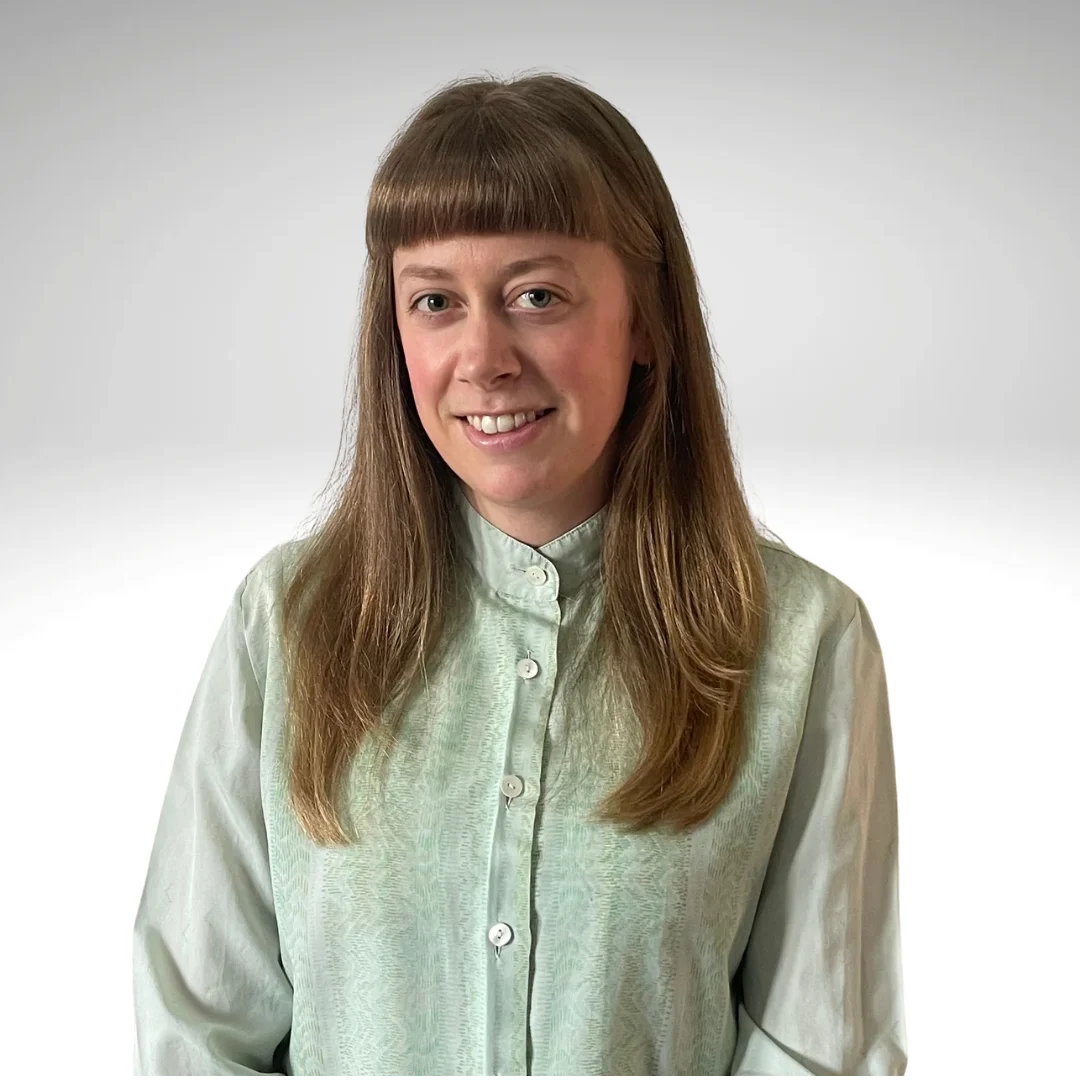

View our full team to find a psychologist who feels right for you, or tell us what is going on and we will suggest someone.
Questions people ask about attachment
Is attachment therapy a specific type of therapy?
How do I know what my attachment style is?
Can attachment patterns change in adulthood?
Is this the same as therapy for relationship problems?
I had a difficult childhood but I do not think of it as trauma. Does this still apply?
You might also be looking for
Evidence behind this page
Clinically reviewed by Illuminated Thinking Clinical Team. Last reviewed 20 September 2026.
Tired of the same pattern?
Tell us a little about what keeps happening in your relationships and we will suggest a psychologist who works this way. We reply within 1 to 2 working days.