

Anxiety · Illuminated Thinking
Therapy for social anxiety in Glasgow
Social anxiety is the fear of being seen: judged, found boring, watched while you blush or stumble over your words. It is one of the most treatable forms of anxiety, and the treatment is not about becoming someone else.
What social anxiety looks like
Social anxiety disorder is a persistent fear of situations where you might be observed or evaluated. The fear is of humiliation or rejection, and it tends to attach itself to particular situations: speaking up in a meeting, meeting new people, eating or writing while someone watches, phone calls, dating, being introduced. You may recognise some of these:
- You spend the days before a social event dreading it, and the days after picking it apart
- You are acutely aware of your own blushing, sweating, shaking or voice, and sure that everyone else is too
- You rehearse what you will say, then say very little
- You avoid eye contact, hide behind your phone, or leave early
- You turn down opportunities at work or socially because of how you might come across
- You drink to get through social situations, or avoid them altogether
- You feel like a bystander in your own life
Why it keeps going
The engine of social anxiety is self-focused attention. When you enter a feared situation, your attention turns inward, to your heart rate, your face, the words you are about to say. From that inside view you build an image of how you must look to others, and it is always worse than the reality. Because you are watching yourself, you miss the evidence that people are responding warmly, or not paying much attention at all.
Then come the safety behaviours: rehearsing, avoiding eye contact, keeping answers short, gripping a glass so your hand will not shake. They feel protective, but they keep you from ever discovering that the feared outcome does not happen, and some of them, like appearing withdrawn, produce the very reaction you fear. Afterwards, the post-mortem replays the worst moments and stores them as proof for next time.
How we treat it
Cognitive behavioural therapy for social anxiety is the treatment NICE recommends, and it is one of the best-evidenced treatments in all of psychology. It is a specific model, not generic CBT, and it works on the processes above rather than on your personality. A course usually involves:
- Building your own model: mapping what happens before, during and after a feared situation, so the cycle is visible.
- Attention training: practising turning attention outward, on to the conversation and the room, rather than inward on to yourself.
- Dropping safety behaviours: experimenting with what happens when you stop rehearsing, make eye contact, or let your hands do what they like.
- Video feedback: many people who see a recording of themselves in a social situation are surprised how little of what they felt was visible. This is done carefully and only when you are ready.
- Behavioural experiments: planned, graded tests of your predictions in real situations, so you gather evidence rather than assumptions.
- Rewriting the story: working with the memories and beliefs, often from school or early adulthood, that taught you to expect judgement.
Where social anxiety comes with a harsh inner critic, compassion-focused therapy can help you treat yourself with the fairness you would show a friend. If low self-worth is the bigger picture, our self-esteem page may be relevant.
What to expect
Sessions last 50 minutes and how often you meet is agreed between you and your psychologist. A course for social anxiety is usually between 12 and 16 sessions. Between sessions you will practise: an experiment agreed in the session, a conversation approached differently, a situation you would normally have avoided. Nothing is set as a test you can fail; every experiment gives useful information, whichever way it goes.
If your anxiety is less about people and more a constant background hum of worry, our page on generalised anxiety may fit better. If it arrives as sudden physical surges, see panic attacks.
Who you might work with


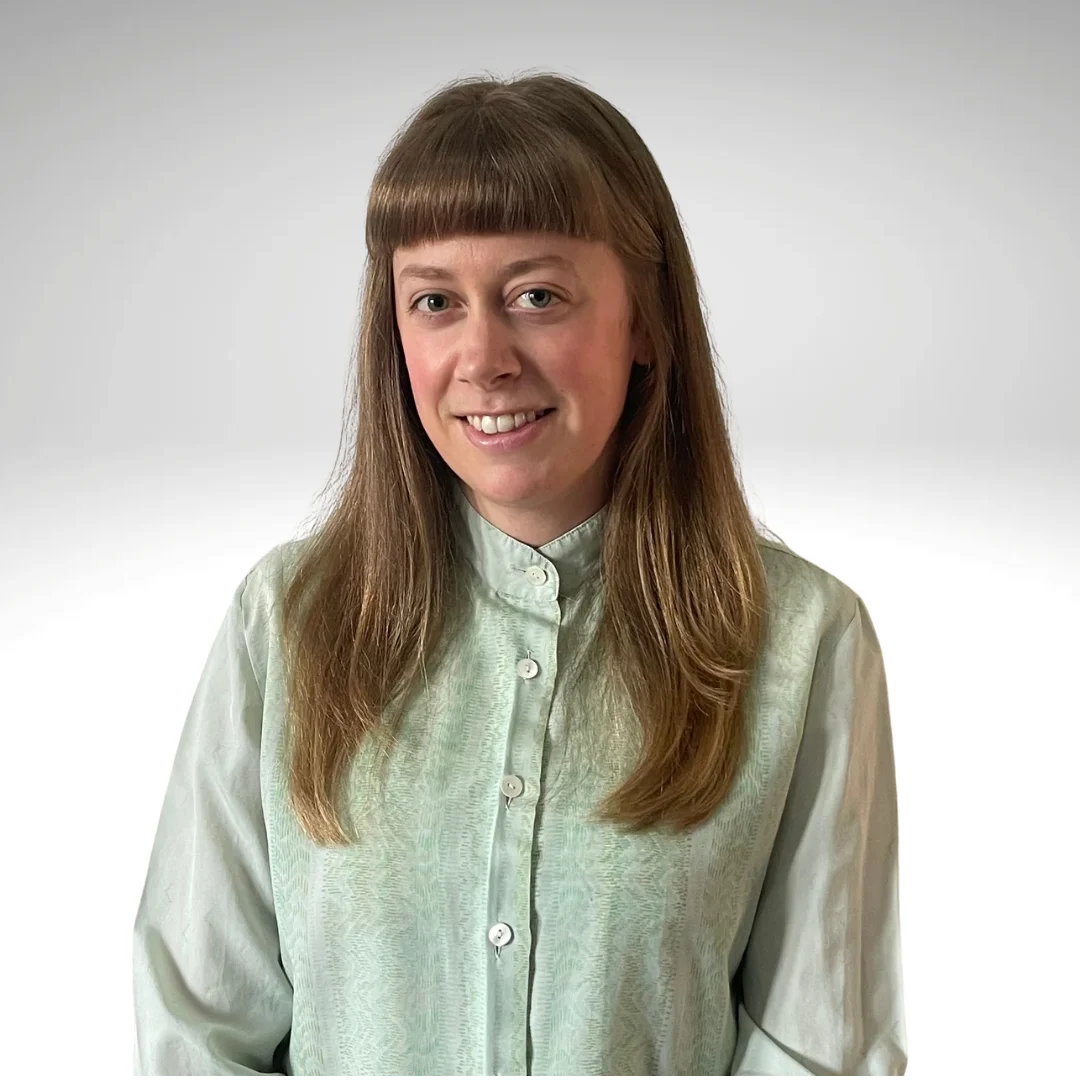
View our full team to find a psychologist who feels right for you, or tell us what is going on and we will suggest someone.
Questions people ask about social anxiety
Is social anxiety just shyness?
Will I have to do role plays or speak in front of a group?
I have had social anxiety since school. Is it too late?
Can I do this online if seeing people is the problem?
You might also be looking for
Evidence behind this page
Clinically reviewed by Illuminated Thinking Clinical Team. Last reviewed 20 September 2026.
Ready to stop rehearsing every conversation?
Tell us a little about where social anxiety shows up for you and we will suggest a psychologist. We reply within 1 to 2 working days, and the first session is just a conversation.