
Therapy · Illuminated Thinking
Trauma Therapy & PTSD Treatment in Glasgow
Trauma can keep shaping how you feel long after the event itself. We offer specialist therapy for PTSD and complex trauma, paced so that you feel safe, using EMDR and trauma-focused CBT alongside deeper approaches where they are needed.
How trauma affects you and why specialist treatment matters
Trauma therapy is not generic counselling. It needs careful assessment, a period of stabilisation, and processing work delivered at a pace that feels safe.
Trauma can result from a single overwhelming event, such as an accident, assault, or sudden loss, or from repeated experiences over time, including childhood abuse, neglect, or domestic violence. When the brain cannot fully process these experiences, they continue to affect how you think, feel, and relate to others long after the events themselves.
You might recognise some of these:
- Intrusive memories or flashbacks
- Feeling constantly on edge or hypervigilant
- Difficulty sleeping, or nightmares
- Emotional numbness or feeling disconnected
- Avoiding people, places, or reminders of what happened
- A persistent sense of threat or danger
These are normal responses to abnormal experiences, and they respond well to specialist psychological treatment. The NHS notes that PTSD affects around 1 in 3 people who experience a traumatic event.
Our team is trained in the trauma therapies recommended by NICE guidelines (NG116), including EMDR and trauma-focused CBT.
The therapies we use
We do not use a one-size-fits-all approach to trauma. Your psychologist will develop an individualised formulation, a detailed understanding of how your experiences have affected you, and use this to guide which therapeutic approaches will be most effective.
EMDR (Eye Movement Desensitisation and Reprocessing)
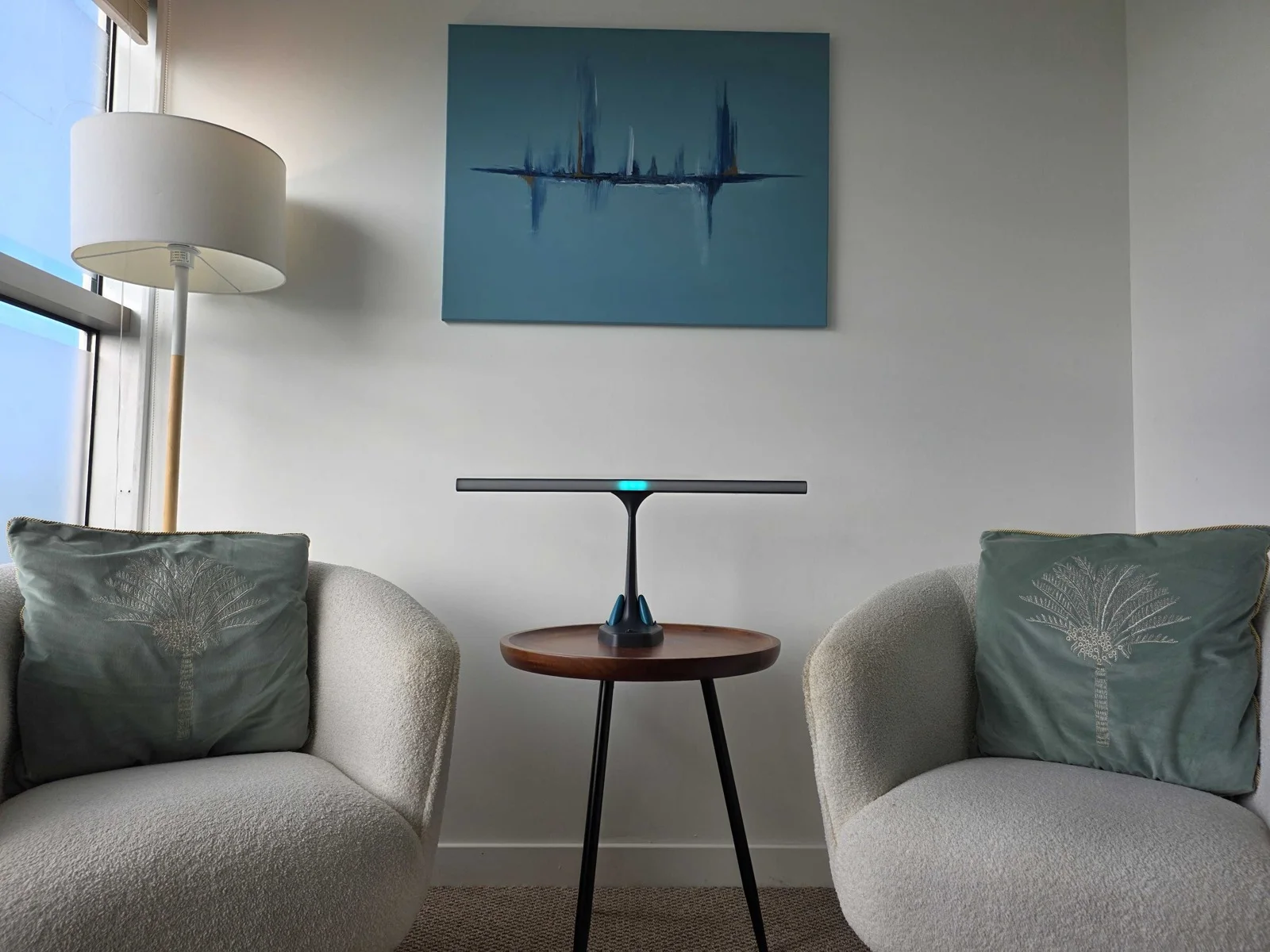
EMDR is a NICE-recommended treatment for PTSD. It uses bilateral stimulation (such as guided eye movements) to help the brain reprocess traumatic memories, reducing their emotional intensity and the distress they cause. EMDR can produce significant improvements in a relatively short course of treatment.
Trauma-focused CBT
Trauma-focused CBT helps you understand and change the thought patterns and behaviours that maintain your trauma responses. It includes psychoeducation about trauma, gradual exposure to avoided memories and situations, and cognitive restructuring of unhelpful beliefs formed during traumatic experiences.
Schema Therapy for complex trauma
For individuals who have experienced repeated or developmental trauma, Schema Therapy offers a deeper therapeutic approach. It addresses the core emotional patterns (schemas) that develop from early adverse experiences and continue to affect relationships, self-worth, and emotional regulation in adulthood.
Compassion-Focused Therapy and IFS
Compassion-Focused Therapy (CFT) is particularly helpful for trauma survivors who experience high levels of shame and self-criticism. Internal Family Systems (IFS) therapy works with the different "parts" of yourself that developed in response to trauma, helping you understand and heal protective responses.
How trauma therapy works
Trauma therapy typically follows three phases:
- Assessment and stabilisation: We take time to understand your experiences and current difficulties, build a sense of safety, and develop coping strategies. This phase ensures you feel grounded and ready before processing traumatic material.
- Processing: Using EMDR, trauma-focused CBT, or another appropriate approach, we work through the traumatic memories that are driving your current symptoms. This is done at your pace, with your psychologist guiding you carefully through the process.
- Integration and growth: We help you consolidate your progress, rebuild confidence, develop a new relationship with your experiences, and plan for the future.
Our trauma psychologists
Trauma is a core specialism across our team: 18 of our clinicians have specialist training in trauma and work with the approaches above. You can choose the clinician who feels right for you.
-
 Dr Aisha Tariq Clinical Psychologist, HCPC Registered CFT · EMDR · IFS
-
 Dr Kevin Murray Clinical Psychologist CFT · EMDR · ACT
-
 Nazia Khan MBACP Registered Psychotherapist CBT
-
 Dr Zounish Rafique Clinical Psychologist, HCPC Registered CAT · DBT · EMDR
-
 Dr Aayesha Mulla Clinical Psychologist, HCPC Registered ACT · CBT · Narrative Therapy
-
 Dr Amirah Iqbal Counselling Psychologist, HCPC Registered CFT · EMDR · CBT
-
 Dr Claire McGuire Clinical Psychologist, HCPC Registered CFT · EMDR · IFS
-
 Dr Humera Millar Clinical Psychologist, HCPC Registered CFT · DBT · EMDR
-
 Dr Jessica Wainman-Lefley Clinical Psychologist, HCPC Registered CFT · EMDR · IFS
-
 Dr Julia McCallum Clinical Psychologist, HCPC Registered CAT · CFT · EMDR
-
 Dr Liam Grisley Clinical Psychologist, HCPC Registered EMDR · ACT · CBT
-
 Dr Louise Legg Counselling Psychologist, HCPC Registered CFT · EMDR · Schema Therapy
-
 Dr Nadia Kheirabi Counselling Psychologist, HCPC Registered CFT · ACT · CBT
-
 Dr Taruna Jamalamadaka Clinical Psychologist, HCPC Registered CFT · EMDR · ACT
-
 Laura Clark Practitioner Psychologist, HCPC Registered CFT · EMDR · Schema Therapy
-
 Zenib Ali Psychological therapist, MBACP (Accred) Registered CBT · Person-Centered
-
 Dr Cara Diamond Clinical Psychologist, HCPC Registered CFT · ACT · CBT
-
 Dr Lizzie Piper Clinical Psychologist, HCPC Registered CFT · ACT · CBT
View our full team to see availability, fees and formats, and find the right psychologist for you.
For free self-help materials and information about trauma, visit our Trauma Resource Library.
Questions people ask about trauma & ptsd
How do I know if I need trauma therapy?
How many sessions of trauma therapy will I need?
What is the difference between EMDR and trauma-focused CBT?
Can I have trauma therapy online?
You might also be looking for
Evidence behind this page
Clinically reviewed by Illuminated Thinking Clinical Team. Last reviewed 20 September 2026.