

Anxiety · Illuminated Thinking
Therapy for health anxiety in Glasgow
Health anxiety is being frightened of your own body: every ache a possible tumour, every test result a reprieve that does not last. We help you stop living from one scare to the next.
What health anxiety looks like
Health anxiety, sometimes still called hypochondria, is a persistent fear of having or developing a serious illness. The fear survives normal test results and medical reassurance. It attaches to whatever the body is doing that day, and to whatever illness is in the news. You may recognise some of these:
- You notice every twinge, lump, headache or change and assume the worst
- You search symptoms online, feel briefly better or much worse, and search again
- You check your body repeatedly, feeling for lumps or taking your pulse
- You see your GP often, or avoid doctors entirely in case they find something
- You ask family or friends for reassurance, and it never quite holds
- You avoid hospitals, medical dramas, or reading about illness
- You plan your life around the possibility of being ill
Why it keeps going
Bodies are noisy. Everyone has odd sensations most days, and most people barely register them. In health anxiety, attention is tuned to the body like a smoke alarm set too sensitive, so ordinary sensations get noticed, interpreted as danger and then produce anxiety, which creates more sensations: a racing heart, tension, nausea, tingling. The evidence for illness seems to mount.
Checking, searching and reassurance-seeking then take over. Each gives a moment of relief, and that relief teaches the brain to do it again. But checking produces new things to worry about, searching turns up rare diseases, and reassurance wears off, so the cycle tightens. The underlying problem is an inability to tolerate not knowing for sure, and no amount of medical information can solve that, because certainty about the body does not exist.
How we treat it
Cognitive behavioural therapy is the recommended treatment for health anxiety and has strong evidence behind it. The work is not about convincing you that you are well. It is about changing the way you deal with uncertainty and with your own body. A course usually involves:
- Building a shared understanding: mapping the sensation, the interpretation, the anxiety and the checking, so you can see the loop from the outside.
- Testing the theory: comparing two explanations, that you have a hidden illness, or that you have a problem with worry about illness, and gathering evidence for each.
- Reducing checking and reassurance: planned experiments in leaving the body alone, closing the search tab, and noticing what happens to the anxiety over the following days.
- Retraining attention: learning to let sensations pass through without following them.
- Living with uncertainty: building the capacity to say "I cannot be completely sure, and I am going to get on with my day anyway."
- Working with the history: where an illness, a loss or a medical scare started it all, giving that experience the attention it needs.
Acceptance and commitment therapy adds useful tools for people who have spent years fighting their thoughts, and EMDR may be used where a specific medical event is still vivid. If your checking has a ritual quality, or the fear is of contaminating or harming others, our OCD page may be closer to the mark.
What to expect
Sessions last 50 minutes and how often you meet is agreed between you and your psychologist. A course for health anxiety is usually between 12 and 16 sessions. Between sessions you will run the experiments agreed in the room and keep a light record of what you notice. People are often surprised how quickly the body goes quiet once it is no longer being watched.
If the fear arrives as sudden surges with a pounding heart, see panic attacks. If it is one worry among many that never switches off, generalised anxiety may fit better.
Who you might work with

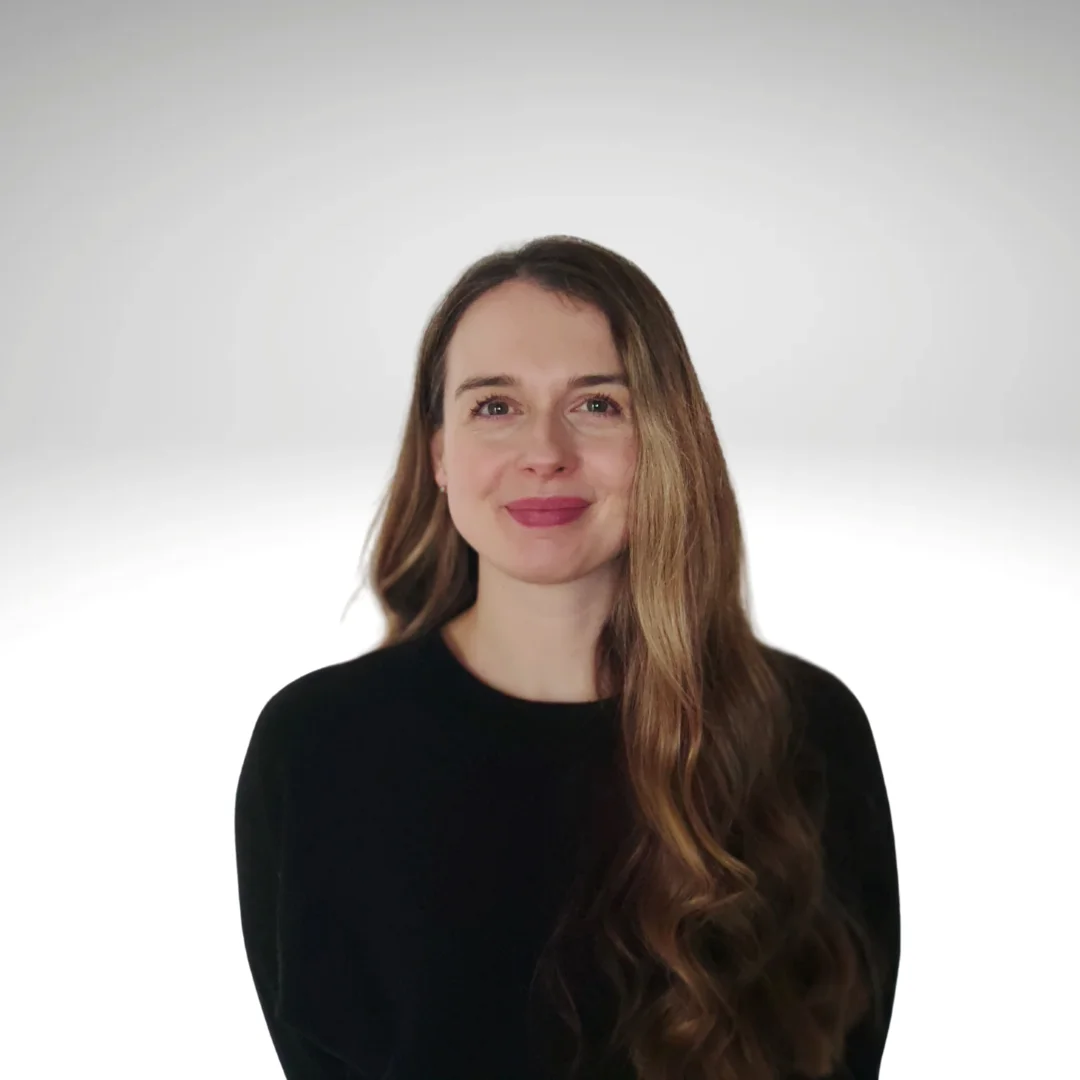

View our full team to find a psychologist who feels right for you, or tell us what is going on and we will suggest someone.
Questions people ask about health anxiety
My doctor says I am fine. Why do I not believe it?
Is it possible I really am ill and you will miss it?
Does health anxiety happen after a real illness?
Will I have to stop googling completely?
You might also be looking for
Evidence behind this page
Clinically reviewed by Illuminated Thinking Clinical Team. Last reviewed 20 September 2026.
Exhausted by the fear of being ill?
Tell us what health anxiety looks like for you and we will suggest a psychologist. We reply within 1 to 2 working days.